The Ambient Liability Trap: Why 2026 is the Year of the 'Human-in-the-Loop'
February 19, 2026
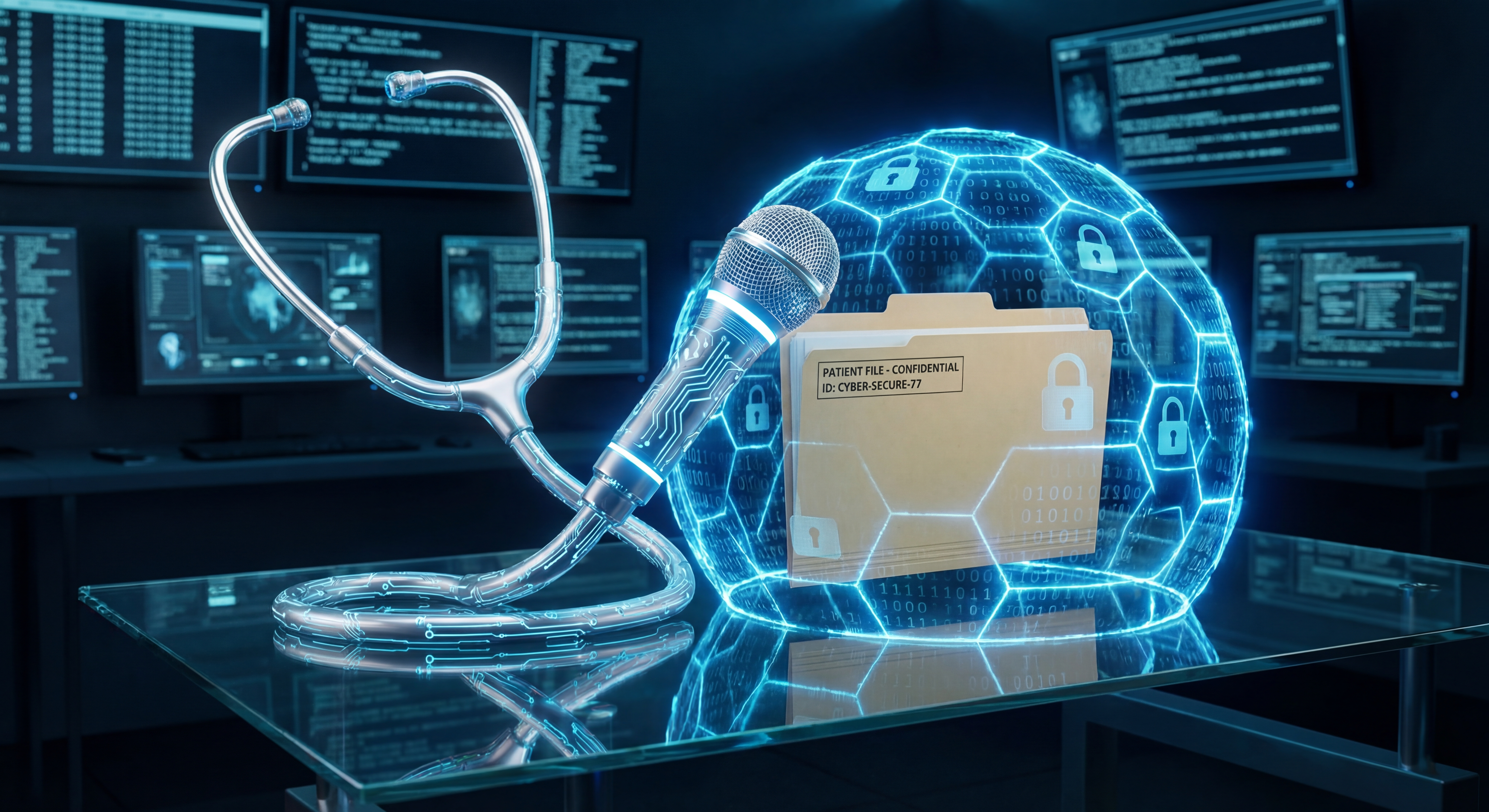
In November 2026, a class-action lawsuit hit Sharp HealthCare in San Diego. The allegation? Their "ambient clinical documentation" tool was secretly recording doctor-patient conversations without proper consent.
This is the moment many legal experts in healthcare have been warning about. The "Ambient AI" boom of 2024-2025 promised to liberate doctors from the keyboard by listening in on every visit. But in 2026, that promise is colliding with the hard reality of privacy laws and liability insurance.
The "Wiretap" Problem
Most ambient AI tools work by recording the entire encounter and processing it in the cloud. Even with "de-identified" data, the act of recording a private medical conversation without explicit, documented consent from *every* party in the room can violate state wiretapping laws.
In two-party consent states, if a nurse walks in or a family member speaks up, and they haven't signed a waiver, that recording is a potential felony.
The "Hallucination" Liability
Beyond privacy, there's the accuracy problem. Ambient AI summarizes. It takes a 15-minute conversation and turns it into a SOAP note. But summaries are, by definition, lossy.
If an ambient tool hallucinates a medication dosage or omits a critical negation ("patient denies chest pain" becomes "patient reports chest pain"), who is liable?
The vendor's Terms of Service inevitably say: "The provider is responsible for reviewing and verifying all output."
But the whole selling point of ambient AI was to *save time*. If a doctor has to listen to the recording and cross-reference every line of the generated note to catch a 1% hallucination rate, they aren't saving time—they're just shifting the cognitive load from *writing* to *auditing*.
Why "Active Dictation" is the Safe Harbor
This is why we are seeing a quiet but massive shift back to Active Dictation in 2026.
Active Dictation—tools like DictaFlow—puts the provider back in the loop. You don't record the patient. You dictate your findings *after* the fact (or during, in focused bursts).
- No Wiretap Risk: You are talking to your computer, not recording a third party.
- No Summary Errors: You dictate exactly what goes into the record. "Patient denies chest pain." There is no AI guessing what you meant.
- Zero Hallucination: DictaFlow's "Actually Override" engine ensures that if you correct yourself mid-sentence, the text reflects your final intent, not a probabilistic guess.
The "Human-in-the-Loop" Advantage
In 2026, the most valuable feature in clinical software isn't "magic." It's control.
We built DictaFlow for the high-stakes environment of 2026. We use Hold-to-Talk (PTT) because it forces a deliberate, conscious input. The mic is open only when you want it to be. There is no "always-on" listening. There is no accidental recording.
For legal and medical professionals, liability is the ultimate metric. And the safest way to draft a note is still to say it yourself.
*DictaFlow is the Windows-native dictation tool for professionals who need accuracy, not ambiguity. Try it for free at dictaflow.io.*
Related DictaFlow Guides
Explore the pages built for the exact workflows these posts keep touching: Windows dictation, Citrix/VDI, medical documentation, legal drafting, and side-by-side comparisons.
Ready to stop typing?
DictaFlow is the only AI dictation tool built for speed, privacy, and technical workflows.
Download DictaFlow Free