The $5,000 Typo: Why Generic AI Can't Handle Your Legal Briefs
February 07, 2026
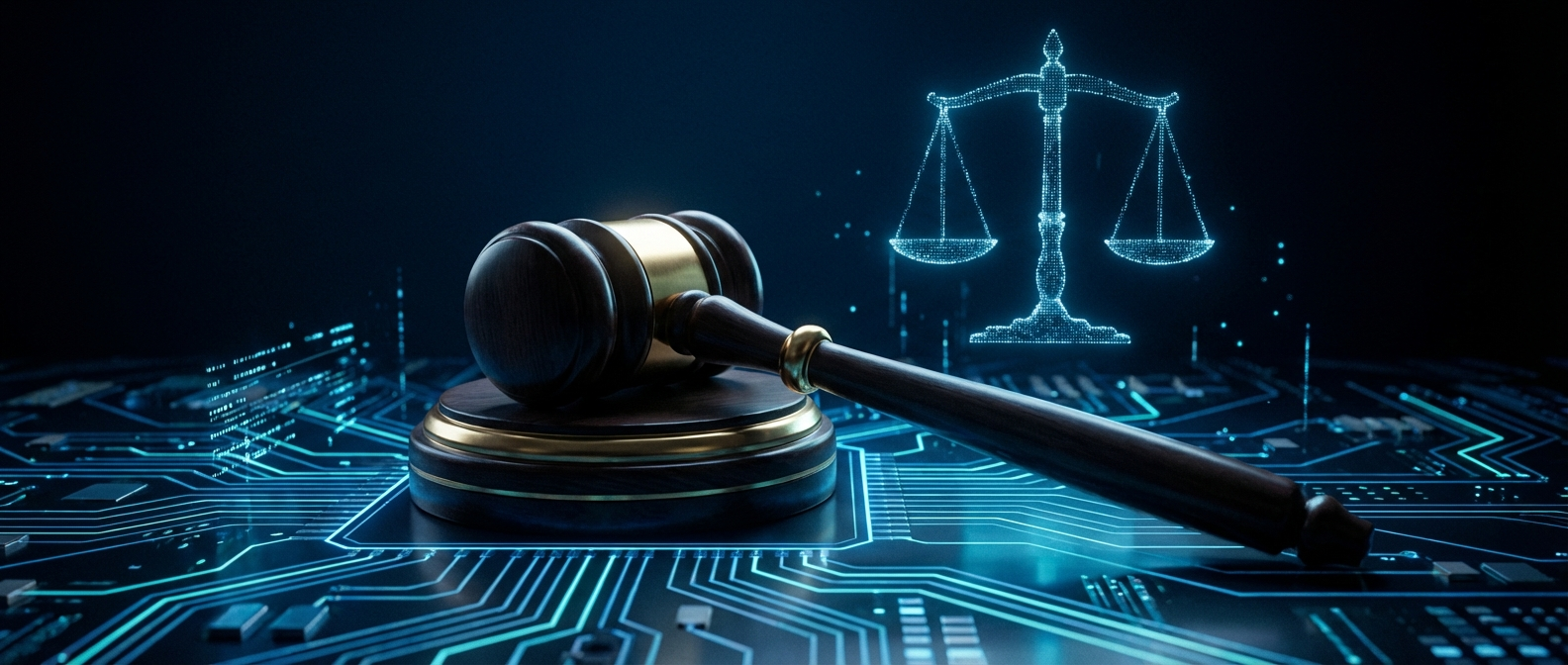
The legal world is buzzing this week, and not in a good way. A federal judge in Kansas just slapped attorneys with fines ranging from $1,000 to $5,000. Their crime? Submitting a legal brief riddled with "hallucinations"—fake cases and citations invented entirely by an AI.
This isn't an isolated incident. It’s the "ChatGPT lawyer" problem all over again, but this time, the courts are losing patience.
The Problem: When AI Gets "Creative" with the Law
We all love the magic of Large Language Models (LLMs). They write emails, summarize PDFs, and even code (Vibe Coding is having a moment). But when it comes to legal dictation and drafting, "creative" is the last thing you want.
Generic AI models are designed to predict the next plausible word. They prioritize fluency over fact. If you ask a generic model to "find case law supporting X," and that case law doesn't exist, the AI might obligingly *invent* it to satisfy your request. It looks real. The citation format is perfect. The judges' names are correct. But the case is a phantom.
For a lawyer, this isn't a glitch; it's malpractice.
The High Cost of Convenience
The attorneys in Kansas didn't set out to deceive the court. They were likely trying to save time. The administrative burden on legal professionals is crushing. You're drowning in documentation, and the allure of a tool that can "just handle it" is powerful.
But as this week's $5,000 fines demonstrate, the cost of unchecked automation is far higher than the hours you save. Trust is the currency of the legal profession. Once you cite a fake case, your credibility with the bench is shattered.
Why Dictation Needs to Be "Safe," Not Just Smart
This brings us to the critical distinction between *generative* drafting and *accurate* dictation.
Legal professionals have used dictation for decades. It's the fastest way to get thoughts from your brain to the page. But traditional transcription is slow and expensive. AI transcription is fast and cheap—but dangerous if it's hallucinating.
This is exactly why we built DictaFlow.
DictaFlow: Precision Over Prediction
DictaFlow isn't trying to *write* your brief for you. It's trying to capture *your* words with absolute fidelity.
1. Verbatim Accuracy: We focus on transcribing exactly what you say, not what the AI thinks you *should* have said. 2. Legal Vocabulary Models: Our specialized models are trained on legal terminology. They know the difference between "statute" and "statue," and they recognize Latin terms without choking. 3. No Hallucinations: DictaFlow doesn't invent case law. If you dictate a citation, we transcribe the numbers and names you spoke. We don't generate text from thin air. 4. Privacy First: Your client data doesn't go into a public training set. We understand privilege and confidentiality.
The Future of Legal Tech is Verified
The "Wild West" era of dropping legal prompts into a chatbot is ending. Courts are regulating it, and clients are scrutinizing it. The winners in the next phase of legal tech won't be the ones who use AI to fake it; they'll be the ones who use AI to work faster while staying grounded in the truth.
Don't let a "smart" tool make you look stupid. Stick to tools built for the rigors of the law.
Ready to dictate with confidence? Try DictaFlow today.
Related DictaFlow Guides
Explore the pages built for the exact workflows these posts keep touching: Windows dictation, Citrix/VDI, medical documentation, legal drafting, and side-by-side comparisons.
Ready to stop typing?
DictaFlow is the only AI dictation tool built for speed, privacy, and technical workflows.
Download DictaFlow Free