July 10, 2026
Obsidian Browser Citrix Dictation Problems in 2026
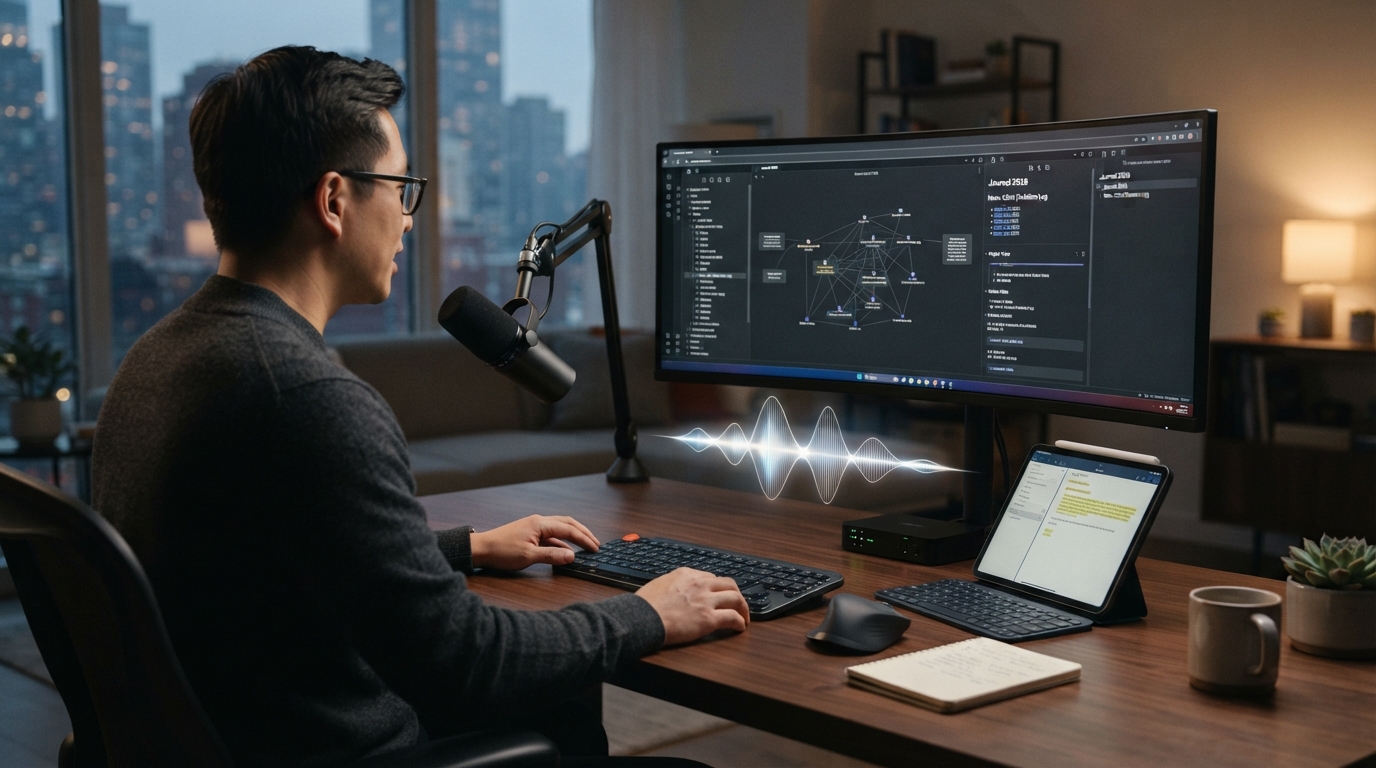
Obsidian Browser Citrix Dictation Problems in 2026 isn’t some abstract productivity gripe. It shows up as a pretty concrete failure: people expect system-wide voice input, not a separate editor or some app-specific workflow. When that breaks, users stop trusting voice input and just go back to typing, even when speaking would be faster.
The pattern in these logged pain points is pretty clear. Users don’t just want a speech model. They want a dictation layer that works inside the app they already use, respects the words they actually said, and doesn’t force a cleanup ritual after every paragraph.
DictaFlow is built for that practical layer: hold-to-talk, cross-app insertion, correction commands, and workflows that keep the cursor where the work is happening.
What people are actually running into
The broad category here is Obsidian app integration. The specific complaints are more useful than the category label:
- Users expect system-wide voice input rather than a separate editor or app-specific workflow
Voice dictation should work wherever the cursor is, including Obsidian notes, browser fields, and Citrix or remote desktop sessions.
Why the usual fixes are not enough
Obsidian is only part of the problem. A note might start there, then end up in a browser research tab, an email reply, or a Citrix session. A separate dictation editor just adds copying and pasting at every handoff. In Citrix or a locked-down browser field, that paste step can be the thing that breaks.
Most people keep doing the same loop. They switch microphones. They restart the app. They try a different browser. They test a bigger AI model. Sometimes that helps for a day, but it doesn’t fix the workflow if the dictation tool only works in one window, forgets custom words, adds delay, or treats dictated text like an instruction prompt.
Built-in dictation is especially fragile because it has to stay generic. It can’t assume you’re writing a support reply, charting a medical note, drafting in Slack or fixing a client name. That’s why a tool can look great in a demo and still be annoying in day-to-day use.
The better test: can you keep working?
A good dictation setup should pass a simple test. Can you speak, let go of the key, and keep going without babysitting the output? If the answer is no, the tool is still making you manage the tool.
For Obsidian users, that usually means checking four things: does it insert into the active app, does correction behave the way you expect, can you add custom vocabulary, and does the tool keep working across the messy apps people actually use?
Where DictaFlow fits
For Obsidian, browser, and Citrix workflows, system-wide insertion matters more than yet another blank transcription pane. DictaFlow uses hold-to-talk and types into the active field, which keeps note capture and remote desktop work in the same flow.
DictaFlow is not trying to be an all-purpose meeting bot or writing assistant. It is a practical voice typing layer. The important part is that it puts text where your cursor already is, so the output lands in the email, ticket, note, chart, browser field, or remote app you were already using.
That matters because a lot of dictation failures are really insertion failures, not speech-model failures. If the transcript is stuck in another window, hidden behind an overlay, delayed by a workflow step, or pasted in manually from the clipboard, the user still feels the friction.
What to try next
- Test dictation in the exact app where the work happens, not in a blank demo box.
- Add the names, acronyms, and phrases you correct most often to custom vocabulary.
- Use hold-to-talk for short bursts instead of always-on dictation if accidental capture is a problem.
- Measure the full loop: speak, correct, insert, and send. The fastest model is not useful if the workflow is slow.
- If built-in dictation keeps failing, try DictaFlow as the dedicated cross-app layer.
Bottom line
Obsidian app integration problems don’t get fixed by telling people to speak more clearly. They get fixed by making dictation fit the actual workflow. That means fast capture, predictable cleanup, app-level insertion, and enough control that users can trust the text without retyping the whole thing.
If you are hitting this kind of failure every day, try DictaFlow free and test it in the app where dictation currently breaks.